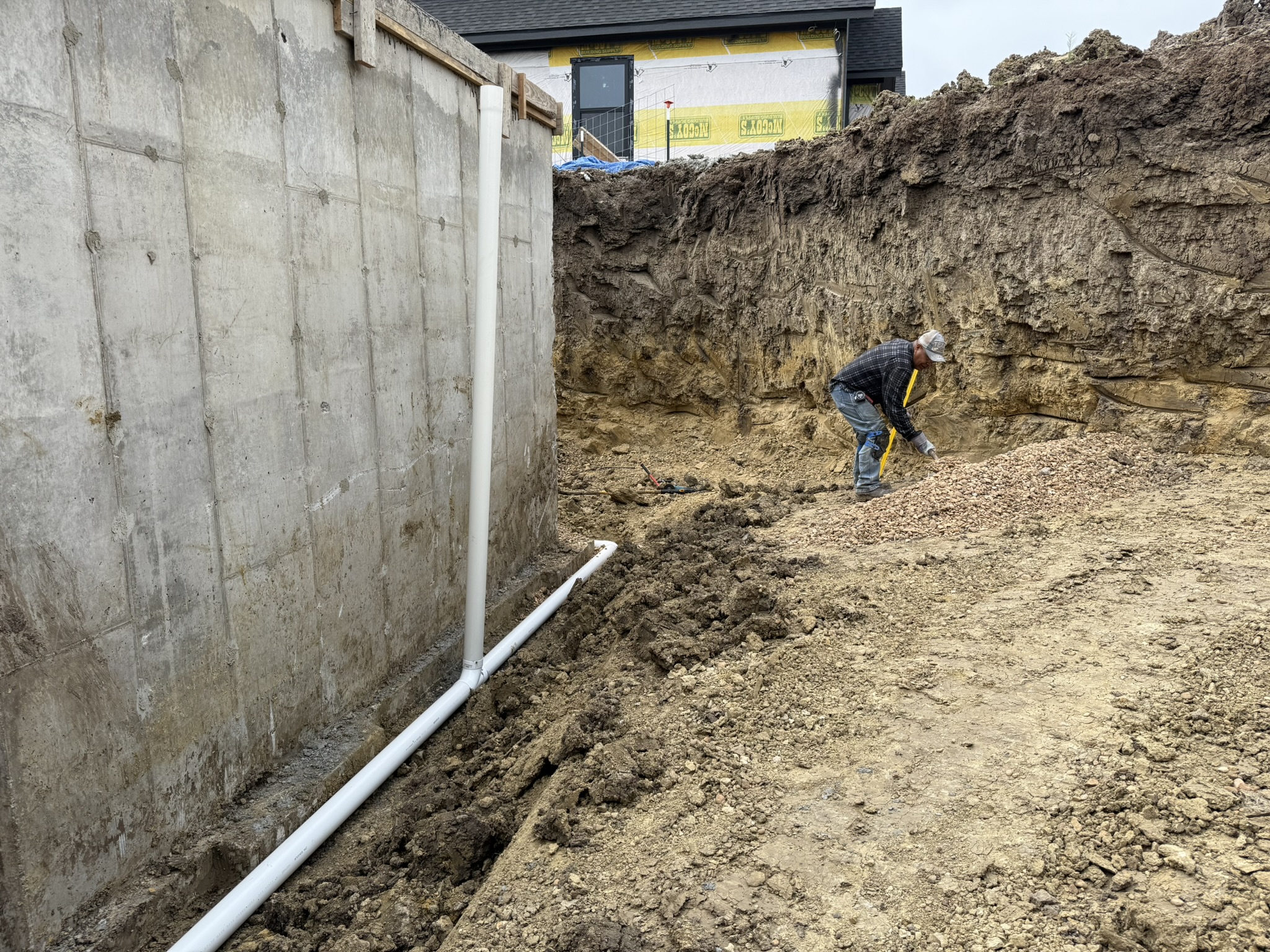
Basement moisture can compromise structural integrity, indoor air quality, and the overall value of a property. Professional waterproofing services address these challenges by creating a barrier that prevents water infiltration, ensuring a dry and stable foundation. By integrating proven techniques with modern materials, homeowners gain long-term protection against the most common causes of basement water damage.
Understanding Basement Waterproofing
Effective waterproofing begins with a thorough assessment of the foundation’s condition and the surrounding soil dynamics. Specialists evaluate factors such as hydrostatic pressure, drainage patterns, and existing cracks before recommending a solution. This systematic approach guarantees that each intervention targets the root cause rather than merely treating symptoms.
Why a Comprehensive Inspection Matters
- Identifies hidden cracks that could expand under pressure.
- Evaluates the capacity of existing sump pumps and drainage systems.
- Assesses soil permeability and its impact on water movement.
- Provides a baseline for measuring the effectiveness of applied solutions.
For a deeper dive into assessment techniques, Discover expert strategies here.
Key Benefits of Professional Waterproofing
When a qualified team applies industry-standard methods, the advantages extend beyond a dry basement. The following outcomes are commonly observed:
- Structural Preservation: Reduced stress on foundation walls prevents bowing and cracking.
- Improved Indoor Air Quality: Elimination of mold-prone environments curtails allergens.
- Increased Property Value: A moisture-free foundation is a strong selling point.
- Energy Efficiency: Dry basements maintain more consistent temperatures, lowering heating costs.
Homeowners seeking customized protection can Learn about our tailored solutions.
Common Waterproofing Methods
Several proven techniques are employed based on the specific needs identified during the inspection phase. Each method offers distinct advantages and can be combined for optimal performance.
Exterior Sealant Systems
Exterior sealants involve excavating around the foundation and applying a waterproof membrane directly to the wall surface. This creates a continuous barrier that resists water penetration from the outside.
- Durable polymer-based coatings that flex with structural movement.
- Integration with proper drainage to direct water away from the wall.
- Long-term resistance to UV exposure and chemical erosion.
Interior Drainage and Sealant Solutions
When exterior work is impractical, interior systems provide an effective alternative. These typically include a combination of interior sealants, perimeter drainage channels, and sump pump installations.
- Sealants penetrate concrete pores, creating an internal barrier.
- Perimeter drains collect water that gathers behind walls and channel it to a sump pump.
- Sump pumps equipped with battery backup ensure continuous operation during power outages.
Detailed guidance on selecting the right interior approach can be found by Explore advanced guides and tips.
Crack Injection and Structural Repair
Structural cracks compromise the effectiveness of any waterproofing system. Injection of epoxy or polyurethane resins restores the integrity of the concrete, allowing subsequent sealing measures to perform optimally.
- Epoxy offers high compressive strength for load-bearing walls.
- Polyurethane expands to fill voids and stops active leaks.
- Professional injection ensures full penetration and a seamless repair.
Maintenance Practices for a Long-Lasting Dry Basement
Even the most robust waterproofing installation benefits from regular upkeep. Simple preventive actions extend the lifespan of the system and reduce the likelihood of future water intrusion.
- Inspect and clean gutters and downspouts quarterly to prevent overflow.
- Verify that the sump pump operates correctly before the rainy season.
- Check exterior grading annually to ensure water slopes away from the foundation.
- Schedule professional inspections every 3-5 years to detect early signs of wear.
For ongoing support resources, Find out more about this approach.
Conclusion
A dry foundation is the cornerstone of a healthy home. By leveraging comprehensive inspections, proven waterproofing technologies, and diligent maintenance, homeowners can safeguard their basements against water damage for decades. Access to expert knowledge and tailored solutions, available through reputable service providers, ensures that every foundation receives the protection it deserves.