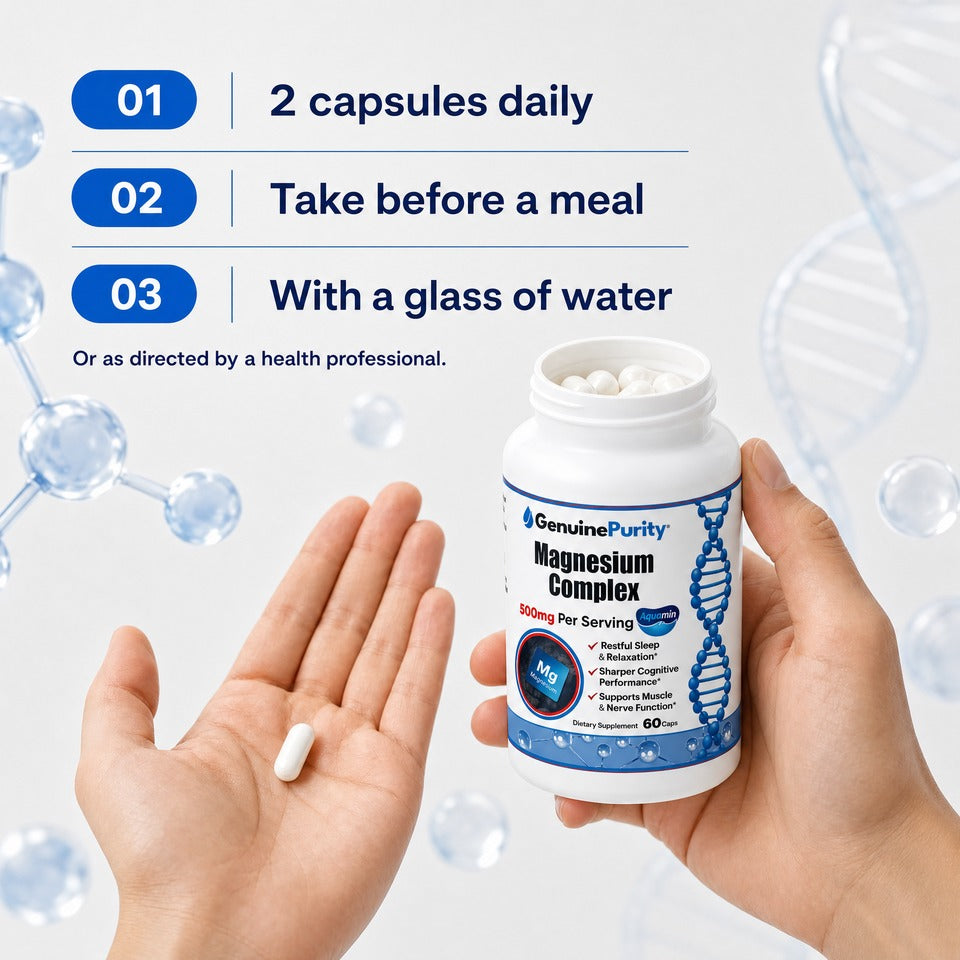
Magnesium is essential for more than 300 biochemical reactions in the human body, influencing everything from muscle contraction to neural communication. With a plethora of formulations on the market, selecting the right magnesium complex can feel overwhelming. This guide breaks down the science behind magnesium glycinate, compares it to other popular forms, and offers practical criteria for choosing a supplement that aligns with individual health goals.
Why Magnesium Glycinate Stands Out
Magnesium glycinate is a chelated form where magnesium is bound to the amino acid glycine. This structure offers several advantages:
- High bioavailability: The chelation protects magnesium from competing minerals, allowing more efficient absorption in the small intestine.
- Gentle on the stomach: Unlike magnesium oxide or citrate, glycinate is less likely to cause gastrointestinal discomfort or laxative effects.
- Supports relaxation: Glycine itself is an inhibitory neurotransmitter, which can enhance the calming properties of magnesium, making it a popular choice for a magnesium supplement for sleep.
Key Factors to Evaluate When Choosing a Magnesium Complex
1. Formulation Purity and Ingredient Transparency
Look for products that disclose the exact amount of elemental magnesium per serving and list all excipients. A clean label reduces the risk of allergens and unnecessary fillers.
2. Dosage Alignment with Daily Requirements
The Recommended Dietary Allowance (RDA) for magnesium ranges from 310″?mg to 420″?mg for adults, depending on age and gender. Choose a magnesium complex supplement that provides a therapeutic dose without exceeding safe upper limits (typically 350″?mg of supplemental magnesium per day).
3. Additional Synergistic Ingredients
Some formulations combine magnesium with other nutrients that enhance absorption or target specific health concerns. For example, adding vitamin B6 can improve cellular uptake, while zinc may support immune function.
4. Form Factor Preference
Whether you prefer capsules, tablets, or powders can affect adherence. Magnesium glycinate capsules are convenient for on-the-go use, whereas powders may be useful for those who dislike swallowing pills.
Comparing Common Magnesium Forms
| Form | Absorption | Typical Uses | Potential Side Effects |
|---|---|---|---|
| Magnesium Glycinate | High | Sleep support, muscle recovery, anxiety reduction | Rarely causes diarrhea |
| Magnesium Citrate | Moderate-High | Constipation relief | Can be laxative at higher doses |
| Magnesium Oxide | Low | Acid neutralization | Frequent gastrointestinal upset |
| Magnesium Threonate | Moderate | Cognitive health, brain penetration | Higher cost, limited research |
Practical Tips for Optimizing Magnesium Intake
- Take the supplement with a meal containing healthy fats to enhance absorption.
- Avoid high doses of calcium or iron supplements at the same time, as they compete for the same transport pathways.
- Monitor symptoms: improved sleep quality, reduced muscle cramps, and calmer mood often indicate adequate magnesium status.
- Consider a multi magnesium supplement if you need a blend of different chelated forms for broader coverage.
Choosing the Right Product: A Step-by-Step Checklist
- Verify elemental magnesium content: Ensure the label lists the amount of magnesium that will actually be absorbed, not just the compound weight.
- Confirm chelation type: Prioritize magnesium glycinate or other chelated forms such as magnesium malate (magnesium malate supplement) for superior bioavailability.
- Check for third-party testing: Look for NSF, USP, or GMP certifications that guarantee purity and potency.
- Read user reviews: Real-world feedback can reveal issues like capsule size or taste that aren’t listed on the label.
- Assess price per serving: Calculate the cost of elemental magnesium rather than the total capsule price.
Frequently Asked Questions
Is magnesium glycinate safe for long-term use?
Yes, when taken within recommended dosages, magnesium glycinate is considered safe for continuous use. Its gentle profile makes it suitable for individuals sensitive to other forms.
Can I take magnesium glycinate with other medications?
Magnesium can interfere with the absorption of certain antibiotics (e.g., tetracyclines) and bisphosphonates. Space supplementation at least two hours apart from these drugs.
How does a magnesium glycinate complex differ from a standard magnesium supplement?
The term “complex” often indicates a blend of chelated magnesium with complementary nutrients, aiming for enhanced efficacy. This can provide a more comprehensive approach than a single-ingredient product.
Conclusion: Selecting the Best Magnesium Complex for Your Needs
Choosing the right magnesium supplement hinges on understanding bioavailability, dosage, and personal health objectives. Magnesium glycinate consistently ranks among the most absorbable and gentle options, making it a strong candidate for those seeking the best magnesium supplement for sleep, muscle health, or stress reduction. By applying the checklist above and considering any additional synergistic ingredients, you can confidently select a product that supports optimal magnesium status and overall well-being.