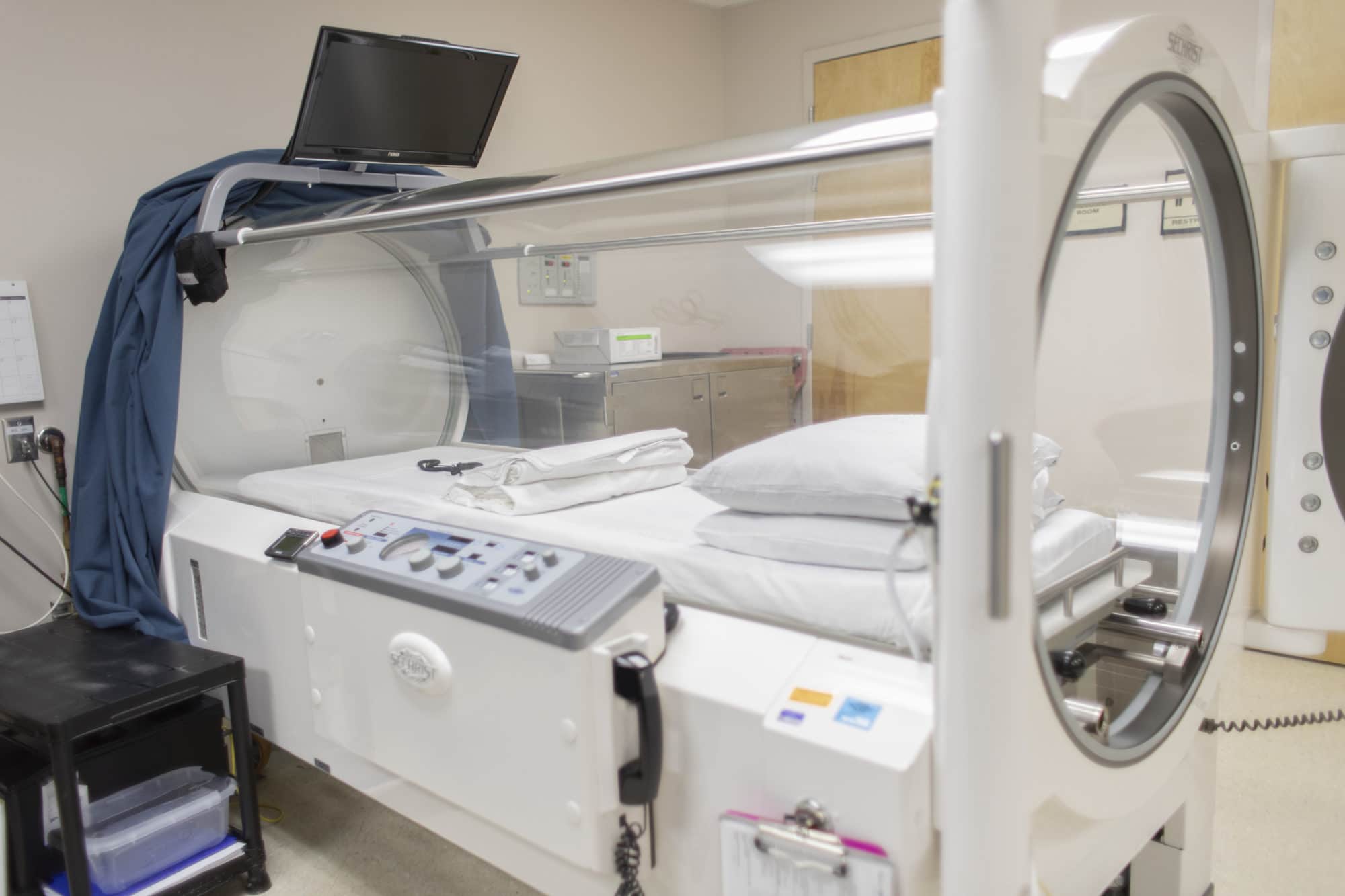
Oxygen chamber therapy, also known as hyperbaric oxygen therapy (HBOT), is a specialized medical treatment that has been gaining attention for its potential benefits in various health conditions. This therapy involves breathing pure oxygen in a pressurized chamber, which allows the oxygen to dissolve into the body’s fluids more effectively. The increased oxygen concentration in the body can facilitate healing and improve overall health. As awareness of the therapy grows, many are curious about its applications, benefits, and potential drawbacks.
Understanding Oxygen Chamber Therapy
Hyperbaric oxygen therapy involves the use of a pressurized chamber to deliver oxygen at levels higher than atmospheric pressure. This process increases the amount of oxygen that can be carried by the blood, enhancing the body’s natural healing processes. The therapy is administered in sessions, typically lasting between 60 to 120 minutes, depending on the condition being treated.
Benefits of Oxygen Chamber Therapy
Oxygen chamber therapy is noted for several potential health benefits, including:
- Accelerating wound healing by increasing oxygen supply to damaged tissues.
- Reducing inflammation and promoting recovery in conditions like sports injuries.
- Enhancing the effectiveness of certain antibiotics.
- Improving symptoms of chronic conditions such as multiple sclerosis and fibromyalgia.
- Potentially aiding in neuroplasticity and cognitive recovery post-stroke.
Each benefit highlights the therapy”?s role in supporting the body”?s healing mechanisms and improving quality of life for patients with chronic conditions.
Applications in Modern Medicine
The use of oxygen chamber therapy extends across various medical fields, from treating decompression sickness in divers to aiding recovery in traumatic brain injuries. Its applications are constantly expanding as more research is conducted. Medical professionals are exploring its utility in treating:
- Carbon monoxide poisoning.
- Radiation injuries from cancer treatments.
- Severe infections where tissues are starved of oxygen.
The therapy’s versatility in treating diverse conditions makes it a valuable tool in modern medicine.
Considerations and Safety
While oxygen chamber therapy is generally considered safe, it is important for patients to consult with healthcare providers before beginning treatment. Certain conditions may contraindicate the use of hyperbaric therapy, such as untreated pneumothorax or respiratory infections. Potential side effects, though rare, can include ear pressure discomfort, temporary vision changes, and fatigue.
Patients are encouraged to discuss their medical history and any concerns with a healthcare professional to ensure that the therapy is appropriate for their specific needs.
Conclusion
Oxygen chamber therapy represents a significant advancement in therapeutic medicine, offering a non-invasive option for enhancing the body”?s healing processes. As interest in hyperbaric oxygen therapy grows, it is essential for potential patients to seek information from reputable sources and consult with medical professionals. Those curious about the therapy and its real-world impact can check out customer reviews here to gain insights from others’ experiences.