Mold is a silent threat that can compromise the structural integrity of a building and the health of its occupants. While traditional inspection methods have been the standard for detecting mold, advancements in technology have introduced more precise and efficient ways to uncover these hidden dangers. One such innovation is the use of thermal imaging inspections, which offers a non-invasive, accurate method to detect mold growth behind walls and under floors. This approach leverages the power of infrared technology to identify moisture patterns and temperature variations that may indicate the presence of mold.
The Science Behind Thermal Imaging
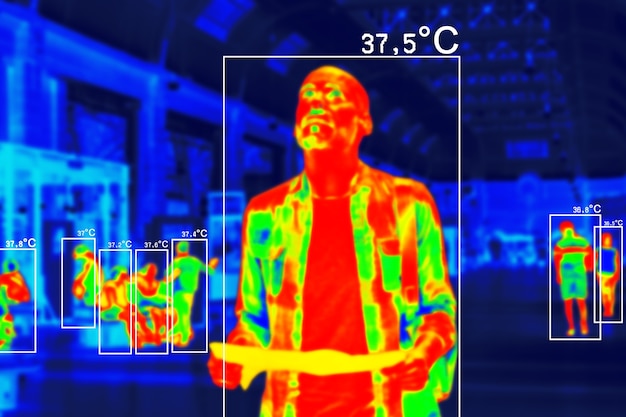
Thermal imaging works by capturing infrared radiation emitted by objects, translating it into visible images that represent temperature differences. These images, known as thermograms, can reveal hidden moisture patterns and structural anomalies that are often associated with mold growth.
Advantages of Thermal Imaging for Mold Detection
- Non-Invasive: Unlike traditional methods, thermal imaging does not require drilling holes or removing sections of walls, thus preserving the integrity of the structure.
- Comprehensive Coverage: The technology allows for a complete scan of an area, ensuring no potential mold growth is overlooked.
- Immediate Results: Thermograms provide immediate visual feedback, facilitating quicker decision-making.
- Cost-Effective: By accurately pinpointing areas of concern, thermal imaging eliminates the need for exploratory demolition, saving time and money.
Discover expert strategies here for utilizing thermal imaging in mold inspections.
Integrating Thermal Imaging with Other Inspection Methods
While thermal imaging is highly effective, it is most powerful when combined with other inspection techniques. This multi-faceted approach ensures a thorough assessment.
Complementary Techniques
- Moisture Meters: Used alongside thermal imaging, moisture meters confirm the presence of moisture detected in thermograms.
- Air Quality Testing: This identifies airborne spores, providing a comprehensive view of the mold situation.
- Visual Inspection: Skilled inspectors use their expertise to corroborate findings from thermal imaging and other tools.
Learn about our tailored solutions for comprehensive mold inspections here.
Real-Life Applications and Success Stories
Thermal imaging has been successfully used in various scenarios, from residential homes to commercial buildings, proving its versatility and effectiveness.
Case Studies
- Residential Homes: Homeowners have benefited from early mold detection, preventing costly repairs and health issues.
- Commercial Buildings: Businesses ensure the safety of their premises, protecting both employees and customers.
- Historic Structures: Preservationists use thermal imaging to maintain the integrity of historic buildings without invasive procedures.
Explore advanced guides and tips on how thermal imaging is transforming mold inspections here.
Customer Feedback and Reviews
Feedback from past clients highlights the effectiveness and reliability of thermal imaging inspections. Check out customer reviews here to see what others are saying about us.
For those considering mold inspection services, finding a reputable provider with expertise in thermal imaging is crucial. Find out more about this approach and how it can benefit your next inspection project.