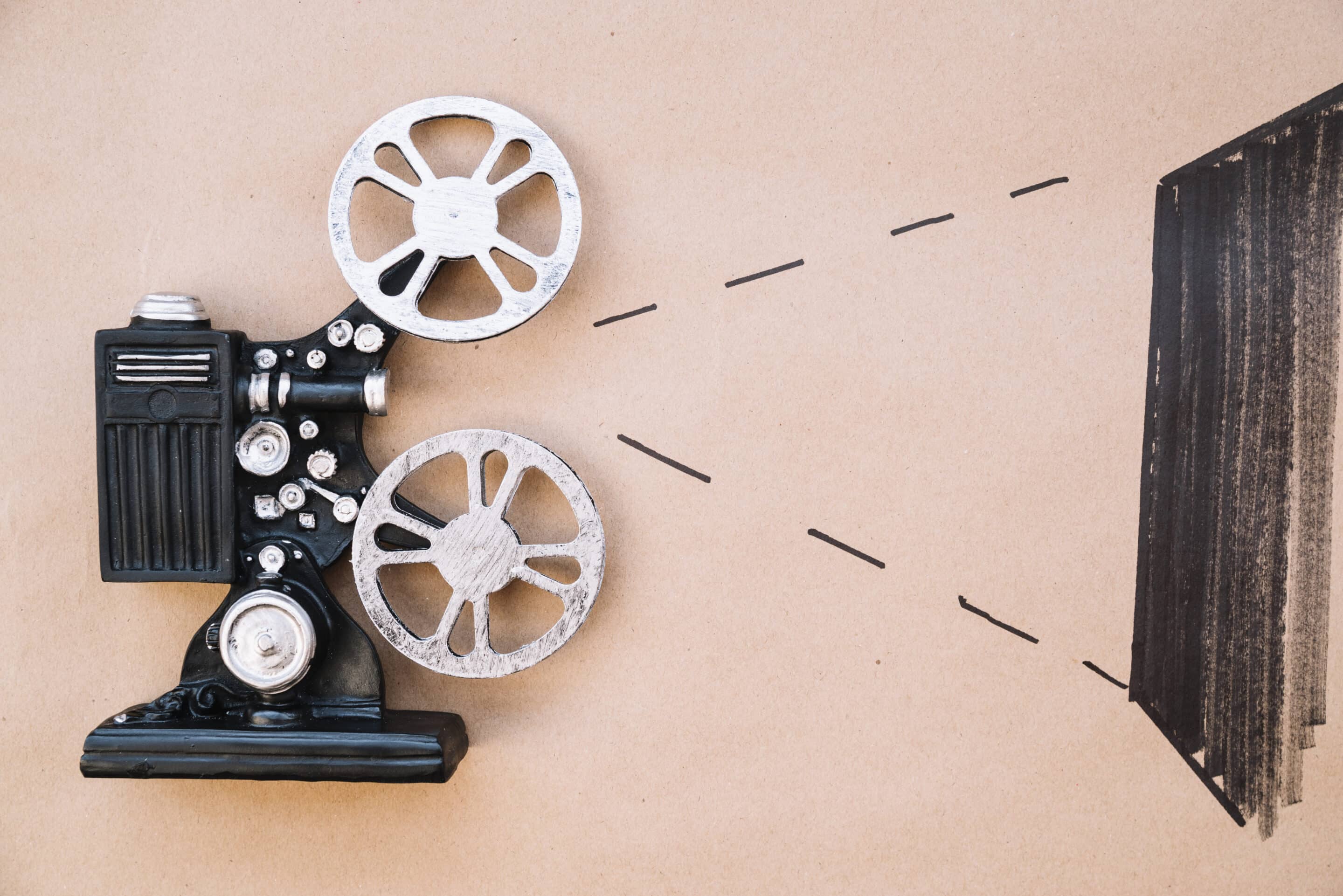
In the age of digital innovation, preserving family history has transcended the traditional avenues of photo albums and physical archives. One significant trend in this preservation journey is converting old film to digital formats. This shift not only ensures the longevity of cherished memories but also enhances their accessibility for future generations. Understanding the importance of this conversion is crucial for anyone looking to safeguard their family legacy.
Why Convert Old Film to Digital?
The core reason for converting old film to digital is to protect treasured memories from the ravages of time. Physical media, such as VHS tapes, reels, and old photographs, are susceptible to degradation. The quality of these materials can deteriorate due to various factors like temperature fluctuations, humidity, and even magnetic fields. By digitizing these films, the content remains intact, unaltered, and safe from environmental damage.
Benefits of Digitization
- Longevity: Digital files do not degrade over time, offering a timeless solution for archiving.
- Accessibility: Digital formats can be easily shared and accessed from anywhere in the world, breaking geographical barriers.
- Preservation of Quality: Unlike physical formats, digital files preserve the original quality without any loss over time.
- Space Efficiency: Digital storage solutions are more compact and organized compared to bulky physical media.
For those interested in exploring advanced guides and tips on this topic, explore advanced guides and tips on converting old films to digital formats. This resource provides comprehensive insights into the process and benefits of digitization.
Challenges in Preserving Old Films
While the advantages of digitization are numerous, the process itself can pose several challenges. Understanding these challenges is essential for ensuring a successful conversion.
Potential Obstacles
- Technological Expertise: The digitization process may require specific technical knowledge and equipment.
- Cost: While prices have become more affordable, there may still be a financial investment involved.
- Data Management: Proper organization and storage solutions are necessary to manage and retrieve digital files efficiently.
To navigate these challenges effectively, discover expert strategies here that offer tailored solutions for converting films to digital formats.
Planning and Execution: Steps to Digitize Family Memories
A successful digitization journey requires careful planning and execution. Here is a step-by-step guide to help streamline the process.
Steps to Follow
- Assessment: Evaluate the condition and type of films to determine the best digitization approach.
- Selection of Equipment: Choose reliable and appropriate equipment or services to handle the conversion process.
- Digitization: Begin the conversion, ensuring all films are handled with care to prevent damage.
- Storage Strategy: Implement a robust digital storage system to organize and protect the files.
For those seeking detailed insights, find out more about this approach and how to effectively preserve family history through digital conversion.
Conclusion
Converting old film to digital is not merely a technological upgrade; it is an investment in preserving family history. By embracing digitization, individuals ensure that their family’s unique stories and moments are safeguarded for future generations. Interested individuals can learn about tailored solutions that cater to their specific needs, ensuring that precious memories are preserved with the utmost care and expertise.