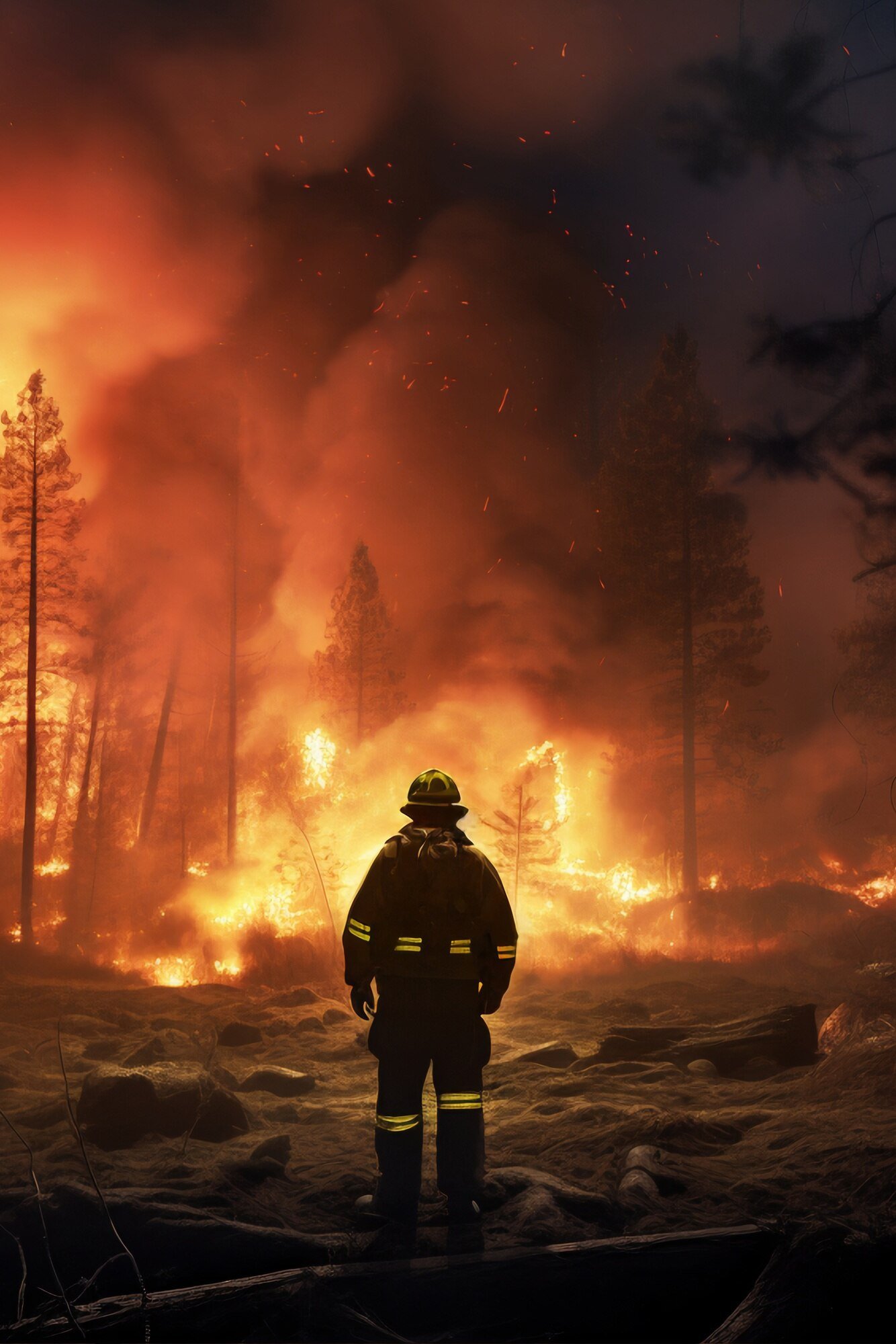
In recent years, the increasing severity and frequency of bushfires in Australia have underscored the importance of comprehensive bushfire assessments, particularly in vulnerable regions like Wollondilly Shire. Understanding the intricacies of bushfire assessment reports can significantly contribute to enhancing property safety and ensuring compliance with local regulations. These reports are not just bureaucratic formalities; they are critical tools that help residents and property developers mitigate risks associated with bushfires. This article aims to elucidate the essential aspects of bushfire assessment reports in Wollondilly Shire, providing valuable guidance for navigating this complex yet vital process.
Understanding Bushfire Assessment Reports
Bushfire assessment reports, also known as Bushfire Attack Level (BAL) assessments, are comprehensive evaluations that determine the potential risk of bushfire exposure to a property. These reports are crucial for ensuring that properties are designed and constructed to withstand bushfire threats, safeguarding both lives and investments.
Key Components of an Assessment Report
- Site Analysis: Detailed analysis of the property location, including the surrounding vegetation, topography, and proximity to potential fire sources.
- Risk Evaluation: Assessment of the potential bushfire threat based on historical data, climate patterns, and local fire history.
- Construction Recommendations: Tailored suggestions for building materials and construction techniques that can enhance a property’s resistance to bushfires.
- Compliance Check: Verification that proposed developments meet the relevant standards and guidelines, such as the Australian Standard AS3959.
For those specifically interested in understanding the bushfire assessment report wollondilly shire, it is essential to recognize the unique environmental factors that influence the region’s bushfire risk levels.
The Importance of BAL Assessments in Wollondilly Shire
Wollondilly Shire’s diverse landscapes, ranging from densely wooded areas to open farmland, present unique challenges when it comes to bushfire management. Given these variables, a BAL assessment wollondilly shire is not only a regulatory necessity but also a proactive measure to protect properties and livelihoods.
Key Benefits of Conducting a BAL Assessment
- Enhanced Safety: Provides a clear understanding of potential fire threats and measures to mitigate them effectively.
- Informed Decision-Making: Equips property owners and developers with the necessary information to make educated choices about construction and landscaping.
- Regulatory Compliance: Ensures that developments adhere to local and national bushfire safety regulations, avoiding legal complications and potential fines.
By engaging in a detailed BAL assessment, residents can take informed steps to enhance their property’s resilience against bushfires, ultimately contributing to a safer community.
Navigating the Assessment Process
For those unfamiliar with the bushfire assessment process, it can seem daunting. However, understanding the steps involved can demystify the process and provide clarity on how best to proceed.
Steps to Undertake a Bushfire Assessment
- Engage a Professional: Start by consulting with a qualified bushfire consultant who can provide expertise and guidance tailored to the specific conditions of Wollondilly Shire.
- Site Visit and Analysis: Allow the consultant to conduct a thorough site inspection to gather essential data about the property and its surroundings.
- Report Generation: Once the analysis is complete, the consultant will compile a comprehensive report detailing the BAL rating and recommendations for mitigating risk.
- Implementation of Recommendations: Act on the recommendations provided in the report to ensure that all safety measures are in place.
By following these steps, property owners can ensure that their development projects meet the highest safety standards, reducing their vulnerability to bushfires.
Conclusion
In Wollondilly Shire, where the risk of bushfires is a significant concern, bushfire assessment reports serve as a vital resource for managing and mitigating potential threats. By understanding and implementing the recommendations found in these reports, residents and developers can protect their properties and contribute to a safer community. Engaging with experienced professionals and adhering to local regulations will ensure that properties are not only compliant but also resilient against the ever-present threat of bushfires.