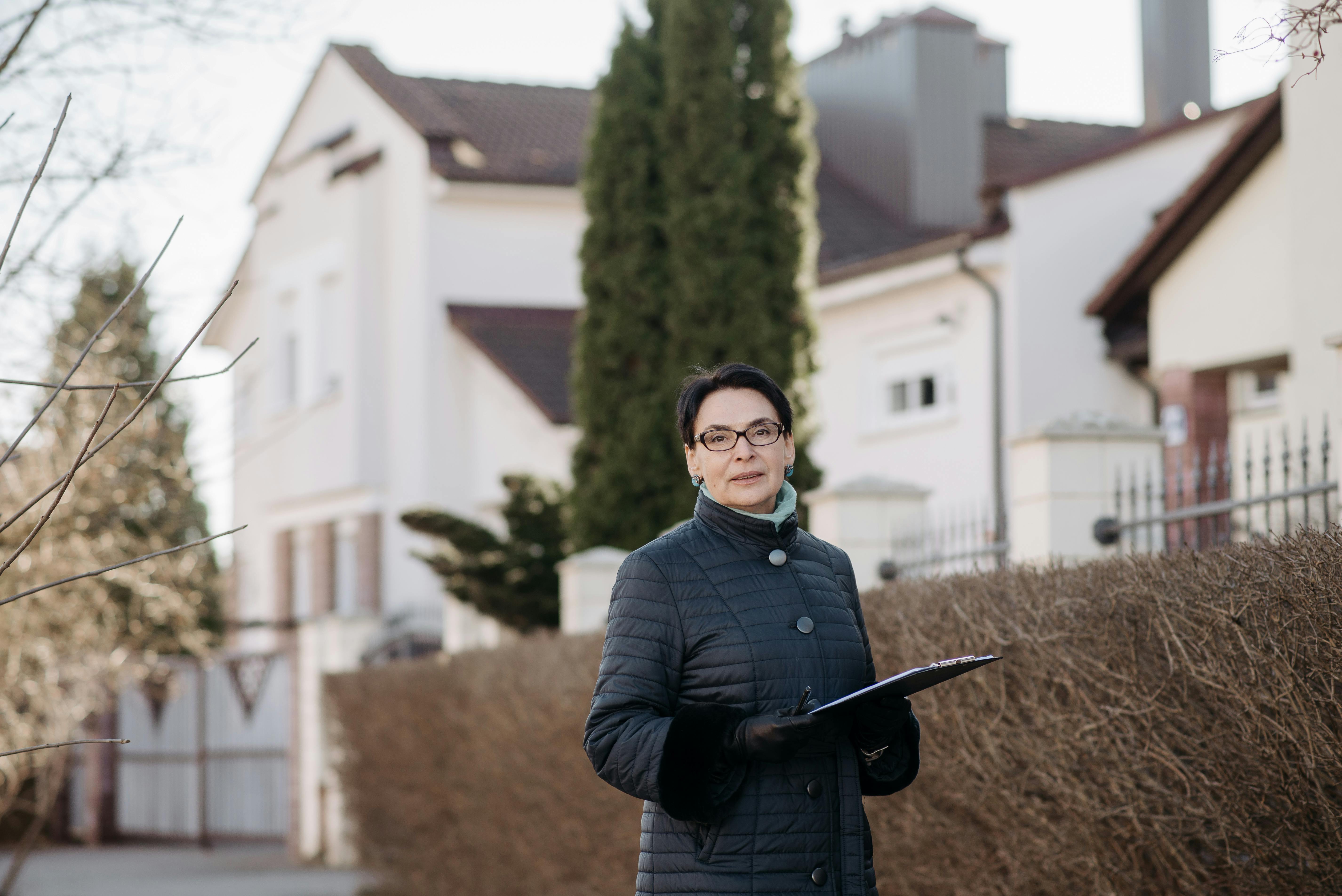
As hurricanes continue to pose significant threats to urban and rural landscapes, the role of arboriculture consulting in mitigating these risks has become increasingly crucial. With the intensifying frequency and severity of these natural disasters, property owners, municipalities, and environmental planners are seeking proactive measures to protect their assets and communities. By leveraging expert arboriculture consulting, stakeholders can develop strategies to minimize damage, enhance safety, and promote resilience against hurricane-force winds and flooding.
Understanding Hurricane Risks
Hurricanes present multiple risks, including high winds, heavy rainfall, and flooding. Each of these factors can have devastating effects on community infrastructure, natural ecosystems, and individual properties. Trees, while providing environmental benefits, can become liabilities during hurricanes if not properly managed.
Common Risks Associated with Trees
- Tree Uprooting: Strong winds can uproot trees, causing property damage and obstructing roads.
- Branch Breakage: Large limbs may break off, posing threats to nearby structures and people.
- Root System Failures: Waterlogged soil can weaken root systems, leading to tree collapse.
- Debris Hazards: Fallen branches and trees can create hazardous debris that complicates recovery efforts.
Role of Arboriculture Consulting in Risk Mitigation
Arboriculture consulting offers a comprehensive approach to managing tree-related risks during hurricanes. By engaging with professionals in this field, property owners can ensure that their trees are healthy, structurally sound, and less likely to cause damage. Discover expert strategies here.
Key Services Provided
- Tree Assessment: Experts evaluate the health and structural integrity of trees to identify potential hazards.
- Pruning and Trimming: Strategic pruning can reduce wind resistance and remove dangerous limbs.
- Root Management: Techniques to strengthen root systems and improve soil stability are implemented.
- Emergency Response Planning: Consultants help develop plans for quick response and recovery post-hurricane.
Implementing Effective Strategies
Effective hurricane risk mitigation requires a combination of proactive and reactive strategies. Arboriculture consulting provides the expertise needed to implement these strategies effectively. Learn about our tailored solutions here.
Proactive Measures
- Regular Inspections: Conducting routine inspections allows for early detection and management of potential issues.
- Species Selection: Choosing wind-resistant tree species for new plantings reduces future risks.
- Soil and Water Management: Enhancing soil drainage and managing water runoff can mitigate root failures.
Reactive Measures
- Post-Storm Assessments: After a hurricane, assessments help identify new hazards and necessary interventions.
- Debris Management: Efficient removal of debris ensures safety and expedites recovery.
- Replanting: Replanting efforts focus on restoring landscapes with resilient species.
Benefits of Professional Consulting
The benefits of engaging with arboriculture consulting are extensive. Not only does it enhance safety and reduce liability, but it also contributes to the aesthetic and environmental value of a property. Explore advanced guides and tips here.
- Cost Savings: Preventative measures are more cost-effective than post-disaster repairs.
- Increased Safety: Reducing tree-related hazards decreases the risk of injuries and property damage.
- Enhanced Property Value: Well-maintained landscapes can improve property value and curb appeal.
- Environmental Benefits: Healthy trees contribute to air quality, wildlife habitat, and climate regulation.
In conclusion, the strategic involvement of arboriculture consulting in hurricane risk mitigation can significantly enhance resilience against these natural events. By employing an expert approach to tree management, communities and property owners can safeguard their investments and contribute to a sustainable environment. Find out more about this approach here.