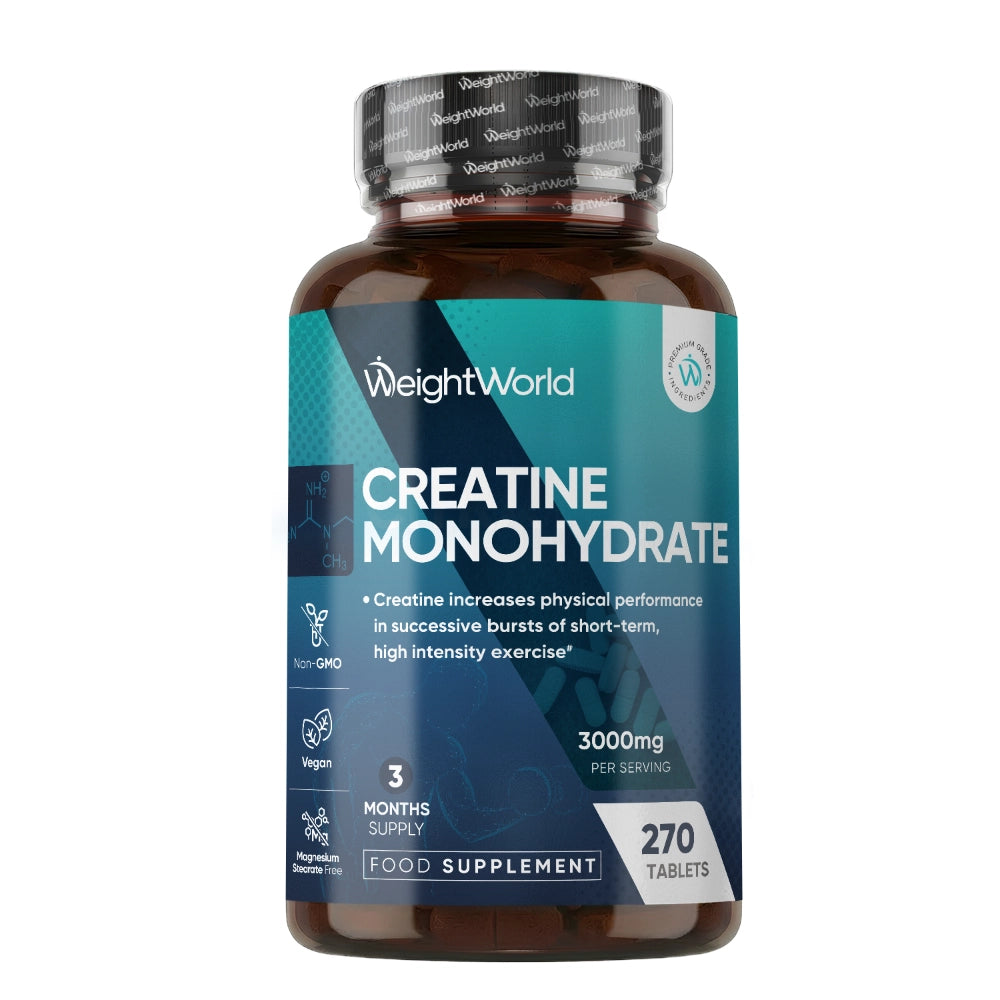
Creatine has become one of the most researched and trusted supplements for athletes, bodybuilders, and anyone looking to improve strength, power, and recovery. Yet the market is flooded with countless variations, monohydrate, hydrochloride, buffered, micronized, flavored powders, capsules, and even blended formulas. Choosing the right creatine product can feel overwhelming, especially when the differences are subtle and marketing claims are abundant. This guide breaks down the key factors to consider, helping you make an informed decision that aligns with your goals, budget, and lifestyle.
Understand the Different Types of Creatine
Creatine Monohydrate
- Most studied: Over 500 peer-reviewed studies support its efficacy for strength, muscle mass, and cognitive benefits.
- Cost-effective: Generally the cheapest form per gram of creatine.
- Solubility: Slightly less soluble than newer forms, but a simple warm water mix resolves this.
Creatine Hydrochloride (HCl)
- Higher solubility: Dissolves easily in water, reducing the gritty texture some experience with monohydrate.
- Lower dosage: Manufacturers claim you need less (often 1-2″?g) because of better absorption.
- Price: Typically more expensive per serving.
Buffered Creatine (e.g., Kre-Alkalyn)
- pH-buffered: Supposed to remain stable in the stomach, limiting conversion to creatinine.
- Mixed evidence: Research does not consistently show superiority over monohydrate.
- Convenient dosing: Often marketed as a “no-load” option.
Creatine Micronized
- Finer particles: Improves mixability and may reduce stomach discomfort.
- Essentially monohydrate: Chemically identical to regular monohydrate, just processed differently.
Key Factors to Evaluate When Selecting a Product
- Purity and testing: Look for products that are third-party tested (e.g., Informed-Sport, NSF). A purity rating of 99.9″?% or higher ensures minimal contaminants.
- Formulation: Decide if you prefer powder, capsules, or tablets. Powders allow flexible dosing; capsules offer convenience.
- Flavor vs. unflavored: Unflavored powders can be mixed into any beverage, while flavored options may add sugar or artificial sweeteners.
- Price per serving: Calculate cost based on the recommended daily dose (usually 3-5″?g). Bulk purchases often reduce the per-gram price.
- Loading protocol: Some products suggest a loading phase (20″?g/day for 5-7 days). If you want to avoid loading, choose a formula marketed as “no-load.”
- Additional ingredients: Some blends include electrolytes, BCAAs, or beta-alanine. Ensure any extras align with your nutritional plan.
How to Verify Product Quality
Quality assurance is crucial because low-grade creatine can contain impurities such as heavy metals or residual solvents. Follow these steps to confirm a product’s credibility:
- Check for a third-party certification seal on the label or product page.
- Read the ingredient list, pure creatine should have one or two items (creatine + possibly a flavoring agent).
- Search for independent lab reports or batch analyses, often posted on the retailer’s website.
- Read user reviews focusing on mixability, gastrointestinal comfort, and any reported side effects.
Practical Tips for Using Creatine Effectively
- Timing: While the overall timing is less critical than consistency, many athletes take creatine post-workout with a carbohydrate-protein shake to enhance uptake.
- Hydration: Creatine draws water into muscle cells; increase daily water intake by 0.5-1″?L to avoid dehydration.
- Consistency: Aim for a daily dose of 3-5″?g, even on rest days, to maintain muscle saturation.
- Cycle considerations: Continuous use is safe for most healthy adults, but a short break (2-4 weeks) after 8-12 weeks can be beneficial for personal preference.
Where to Purchase a Reliable Creatine Supplement
When the decision is made, selecting a reputable retailer is the final step. Purchasing from a trusted source ensures the product has undergone proper testing and is stored under optimal conditions. For those ready to buy creatine, consider a supplier that provides clear batch numbers, third-party certification, and transparent shipping policies. This approach minimizes the risk of receiving counterfeit or sub-standard products.
Conclusion
Choosing the right creatine product involves understanding the different forms, evaluating purity, and matching the supplement to personal preferences and budget. By prioritizing third-party testing, reviewing ingredient transparency, and considering practical usage factors, you can select a creatine that delivers the proven performance benefits without unnecessary additives or expense. With the right choice, creatine can become a cornerstone of strength, power, and recovery for years to come.