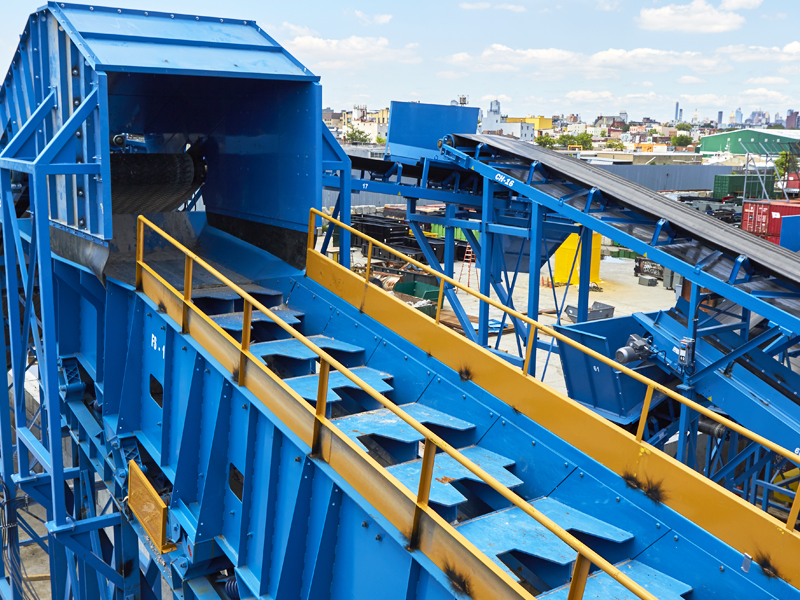
Evaluating the quality standards of a recycling equipment manufacturer is a critical step for businesses seeking to invest in reliable and efficient machinery. High-quality equipment not only ensures operational efficiency but also contributes to sustainability goals. The process of evaluation involves several considerations, from the manufacturer’s reputation to the technical specifications of the equipment. This guide aims to provide a comprehensive approach to assessing these standards, ensuring informed decision-making for businesses committed to environmental responsibility.
Research the Manufacturer’s Reputation
The first step in evaluating a recycling equipment manufacturer is to delve into their reputation in the industry. A well-regarded manufacturer is more likely to produce high-quality equipment and provide excellent customer service.
- Check online reviews and ratings from previous customers to gauge satisfaction levels.
- Look for industry awards or recognitions that highlight their expertise and innovation.
- Consult industry forums or networks to gather insights from peers who have firsthand experience with the manufacturer.
For further insights into industry standards and trends, discover expert strategies here.
Evaluate Technical Specifications
Performance and Efficiency
The efficiency of recycling equipment is paramount to ensuring cost-effectiveness and operational success. Evaluating the technical specifications helps in understanding the capabilities of the equipment.
- Assess the throughput capacity to ensure it meets the operational needs.
- Consider the energy efficiency ratings, which can significantly impact operational costs and environmental footprint.
- Review the equipment’s adaptability to different material types and processing requirements.
To explore advanced guides and tips on optimizing equipment performance, explore advanced guides and tips.
Examine Quality Assurance Processes
A reliable manufacturer will implement stringent quality assurance processes to ensure the durability and reliability of their equipment.
- Inquire about the manufacturer?s quality control measures during the production process.
- Request information on any certifications or standards the equipment adheres to, such as ISO certifications.
- Ask about the testing procedures the equipment undergoes before it is released to the market.
Learn about our tailored solutions and how they align with quality standards by visiting this resource.
Consider After-Sales Support and Services
Comprehensive after-sales support is crucial for maintaining equipment performance and addressing any issues that may arise.
- Evaluate the warranty terms and conditions to understand coverage and duration.
- Check the availability of technical support and the manufacturer’s responsiveness to customer inquiries.
- Investigate the availability of spare parts and the manufacturer?s network for servicing and repairs.
Find out more about this approach to after-sales service at this link.
Assess Sustainability and Innovation
Manufacturers committed to sustainability and innovation are more likely to produce equipment that aligns with modern environmental standards.
- Research the manufacturer’s commitment to reducing carbon footprints through their production processes.
- Look for innovative features that enhance the equipment?s performance and efficiency.
- Consider the manufacturer?s involvement in research and development initiatives.
For a deeper understanding of sustainable practices and innovative solutions, learn more here.
In conclusion, evaluating a recycling equipment manufacturer’s quality standards requires a thorough analysis of various factors. By considering the manufacturer’s reputation, technical specifications, quality assurance processes, after-sales support, and commitment to sustainability, businesses can make informed decisions that align with their operational and environmental goals. This approach not only ensures the acquisition of reliable and efficient equipment but also supports broader sustainability objectives.