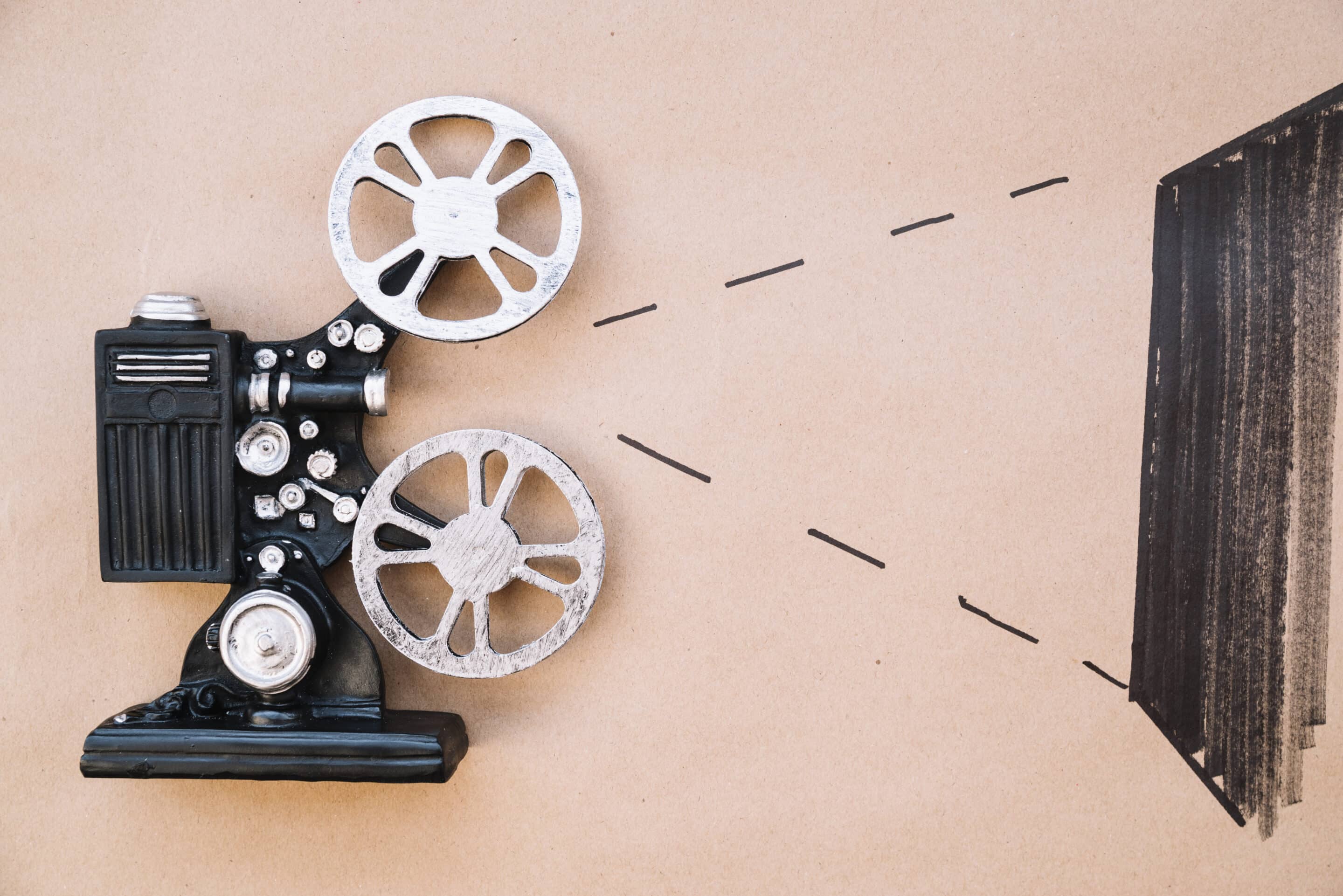
Film has long been a cherished medium for capturing life’s most memorable moments and significant stories. However, as technology has advanced, the transition from analog to digital formats has become not only inevitable but necessary. Understanding the evolution from film to video transfer is crucial for preserving the integrity and accessibility of these treasured memories. This journey from analog to digital involves a series of technical and artistic transformations that ensure the longevity and quality of the content.
The Basics of Film to Video Transfer
Film to video transfer is the process of converting analog film formats, such as 8mm, Super 8, or 16mm, into digital video formats. This conversion is essential for several reasons:
- Preservation: Analog films are susceptible to degradation over time due to environmental factors like humidity and temperature.
- Accessibility: Digital formats allow easier access and sharing of content across various platforms.
- Editability: Once in digital form, films can be edited and enhanced using modern software.
For those interested in exploring advanced guides and tips on the process, find out more about this approach.
Key Steps in the Transfer Process
Preparation and Cleaning
Before the transfer begins, films must be carefully prepared and cleaned. This involves:
- Inspection: Checking for any physical damage, such as tears or breaks.
- Cleaning: Removing dust and debris that could affect the transfer quality.
- Repair: Fixing any damaged sections to ensure a smooth transfer.
Learn about our tailored solutions for handling delicate film materials through expert preparation techniques by exploring more here.
Digital Conversion
The next phase involves the actual digital conversion:
- Scanning: Utilizing high-resolution scanners to capture each frame of the film.
- Color Correction: Adjusting colors to compensate for any fading or discoloration in the original film.
- Sound Synchronization: Ensuring that audio tracks are properly aligned with the visual content.
Discover expert strategies to achieve optimal conversion results by learning more here.
The Benefits of Digital Formats
Switching to digital formats offers numerous advantages:
- Durability: Digital files do not degrade over time and are immune to the physical wear that affects analog media.
- Convenience: Digital files can be easily stored on cloud services or external hard drives, making them accessible from anywhere.
- Versatility: Digital formats support various editing and sharing options, enhancing creative possibilities.
For those wanting to dive deeper into the advantages of digital formats, explore these benefits in more detail.
Future Trends in Video Transfer
The evolution from analog to digital is an ongoing journey. Future trends in video transfer technology continue to push the boundaries of what’s possible:
- Artificial Intelligence: AI tools are increasingly used for automated editing and enhancement tasks.
- Higher Resolutions: As display technology advances, there is a growing demand for 4K and even 8K transfers.
- Cloud Integration: Enhanced cloud services offer more robust solutions for storage and sharing.
Find out more about these trends and how they might impact future video transfers by exploring the latest insights.
The journey from analog to digital film formats is both a technical and creative endeavor. By understanding the intricacies of this process, individuals and organizations can ensure that their visual legacies are preserved for future generations. Whether for personal nostalgia or professional archives, the transition to digital provides a pathway to maintain the vibrancy and accessibility of film in the digital age.