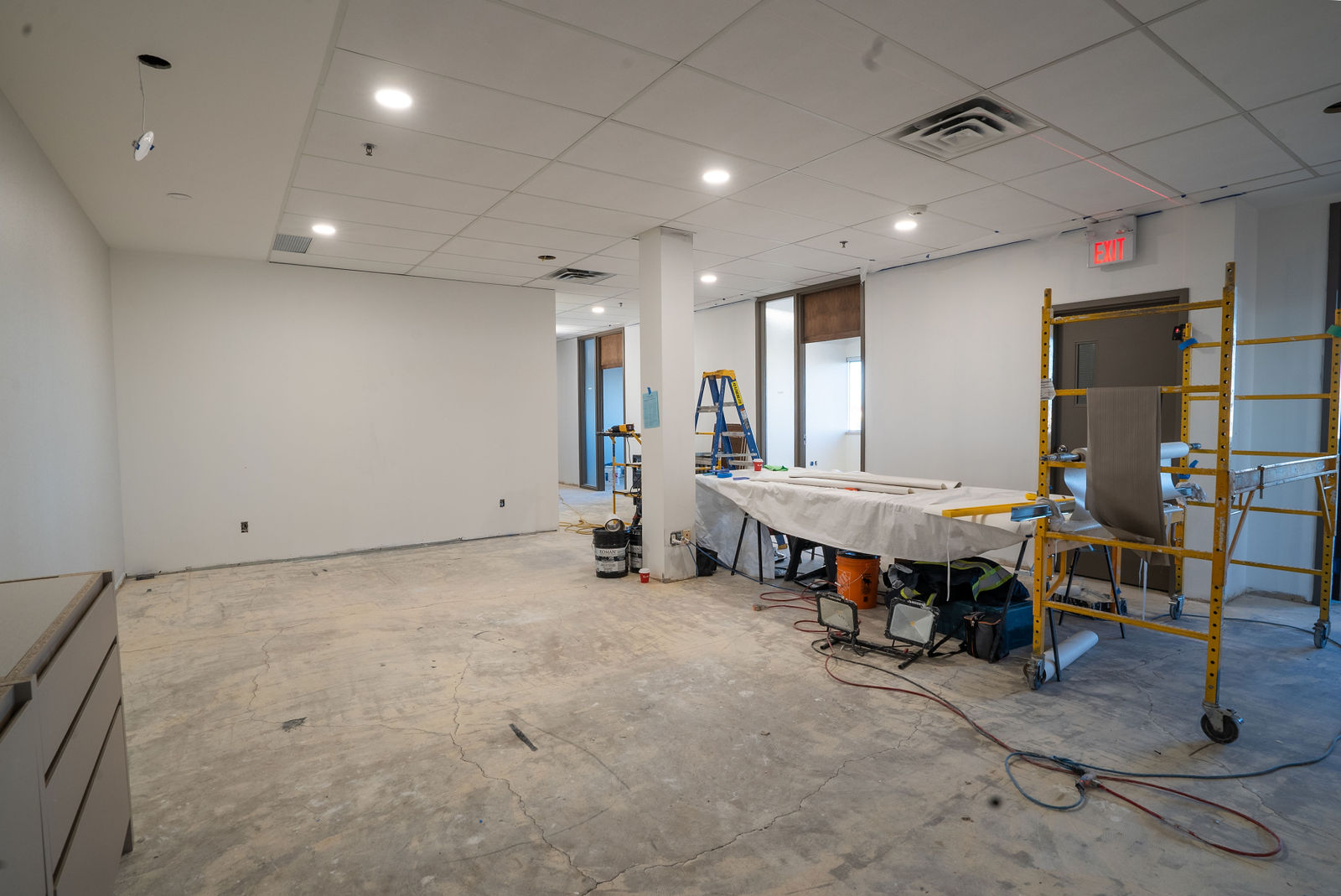
Transitioning a facility can be a complex and daunting task, requiring meticulous planning and execution to ensure minimal disruption to business operations. Whether moving to a new location, upgrading existing infrastructure, or restructuring an organization, smooth facility transition services are essential. These services facilitate a seamless process, ensuring that all aspects of the transition are handled with expertise and precision. In the dynamic landscape of business environments, the need for reliable and efficient facility transition services has never been more critical.
The Importance of Facility Transition Services
Facility transitions can be fraught with challenges that, if not addressed, can lead to significant operational disruptions. Here are some reasons why engaging professional facility transition services is crucial:
- Expertise in planning and executing complex relocations.
- Minimization of downtime through strategic scheduling and coordination.
- Ensuring compliance with regulatory requirements and safety standards.
- Customized solutions that cater to specific business needs and objectives.
For those looking for comprehensive guidance, discover expert strategies here to enhance the efficiency of your facility transition process.
Core Components of a Successful Facility Transition
Assessment and Planning
The foundation of a successful facility transition lies in thorough assessment and planning. This initial phase involves:
- Conducting a detailed site analysis to understand the scope of the transition.
- Developing a comprehensive project plan that outlines timelines, tasks, and resources.
- Identifying potential risks and devising mitigation strategies.
These vital steps ensure that the transition is executed smoothly and efficiently. Learn about our tailored solutions for effective planning and risk management.
Communication and Coordination
Effective communication is key to a seamless facility transition. Coordinating with all stakeholders ensures that everyone is on the same page and that the transition proceeds without hitches. Important aspects include:
- Regular updates and meetings with stakeholders to discuss progress and address concerns.
- Establishing clear communication channels for all parties involved.
- Coordinating with vendors and service providers to ensure timely delivery of services.
For more insights into establishing robust communication strategies, explore advanced guides and tips.
Execution and Implementation
Once the planning and coordination are in place, the next step is the actual execution of the transition. This phase involves:
- Streamlining the physical move or renovation process to minimize disruption.
- Implementing new systems and technologies efficiently.
- Ensuring that all equipment and facilities are set up according to the plan.
To understand more about implementing a seamless facility transition, find out more about this approach.
Conclusion
Smooth facility transition services are indispensable for businesses aiming to relocate or restructure without compromising operational efficiency. By engaging professional services, organizations can benefit from expert planning, effective communication, and meticulous execution. These elements are vital for ensuring that transitions are smooth and strategically aligned with business goals. For further assistance and detailed guidance, visit this resource for comprehensive strategies and solutions.