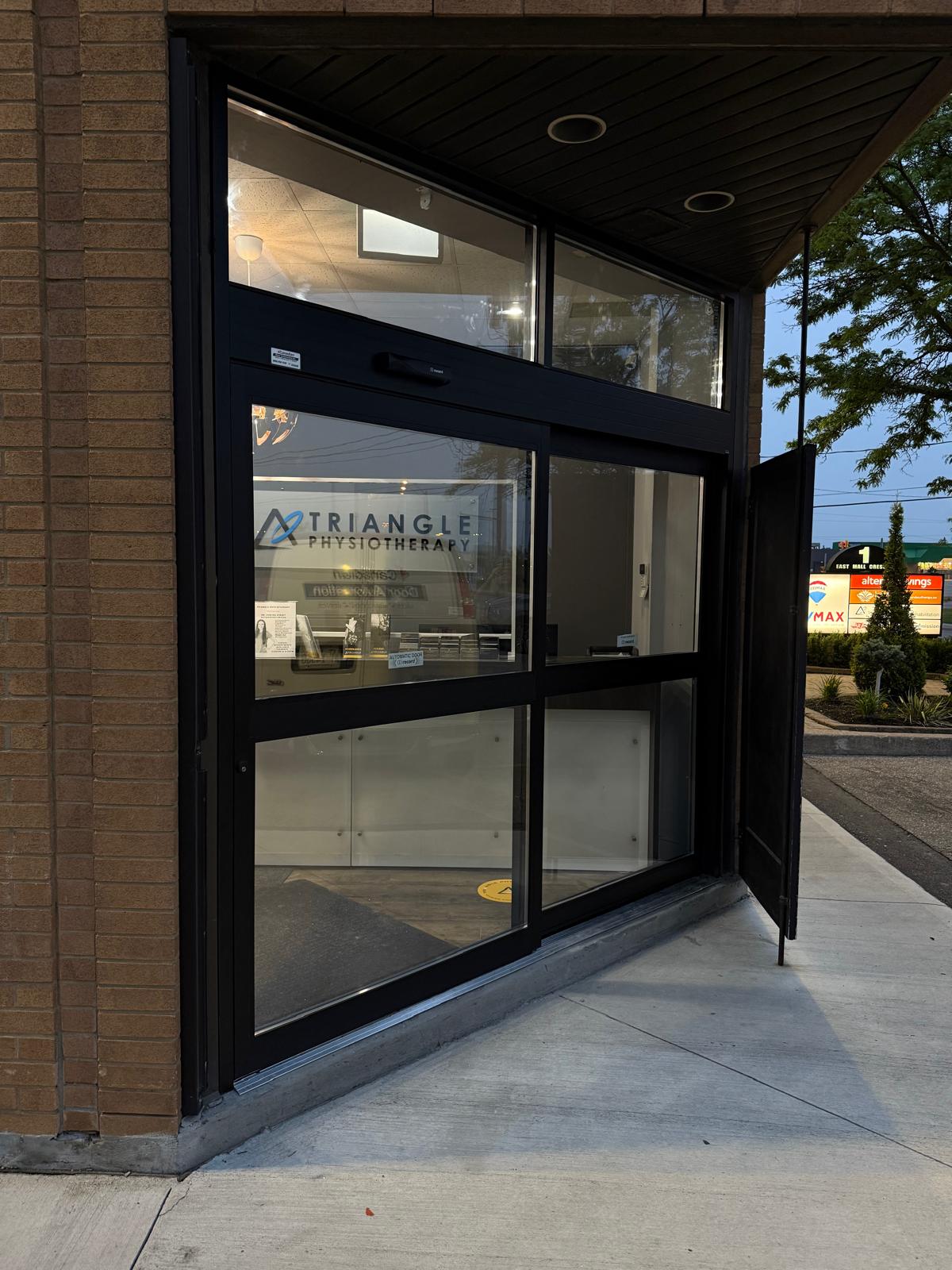
Automatic doors are an essential part of modern infrastructure, offering convenience, accessibility, and efficiency in various commercial and residential environments. To ensure these doors operate smoothly and reliably, regular maintenance is crucial. This guide provides a comprehensive overview of how to simplify automatic door maintenance and ensure long-term functionality.
Understanding Automatic Door Components
Before diving into maintenance strategies, it’s vital to understand the key components of an automatic door system:
- Operator: The motor and control mechanism that powers the door’s opening and closing.
- Sensors: Devices that detect motion or presence, triggering the door to operate.
- Tracks and Rollers: Components that guide the door smoothly along its path.
- Safety Devices: Features that prevent the door from closing on objects or people.
Each of these elements requires attention during maintenance to prevent malfunction and ensure safety.
Routine Maintenance Practices
Regular maintenance not only prolongs the life of automatic doors but also enhances their performance and safety. Consider the following routine practices:
Visual Inspection
Conducting a visual inspection is the first step in any maintenance routine. Check for:
- Visible wear and tear on tracks and rollers.
- Any obstruction or debris in the pathway of the door.
- Loose or damaged components such as bolts and screws.
Addressing these issues promptly can prevent more significant problems from developing.
Cleaning and Lubrication
Dust and debris can accumulate, affecting the operation of automatic doors. Regular cleaning and lubrication are essential:
- Clean tracks and sensors with a soft, dry cloth.
- Use appropriate lubricant on moving parts to minimize friction and wear.
Maintaining cleanliness and proper lubrication can significantly enhance the door?s efficiency.
Testing Safety Features
Safety is paramount in automatic door operation. Testing safety features ensures compliance with safety standards:
- Regularly test sensors and adjust their sensitivity as needed.
- Ensure safety devices such as pressure sensors and emergency stops are functional.
Learn about our tailored solutions to enhance your door’s safety features here.
Troubleshooting Common Issues
Despite regular maintenance, occasional issues may arise. Here?s how to troubleshoot common problems:
Door Not Opening or Closing Properly
If the door is not operating as expected, consider the following:
- Check if the power supply to the operator is intact.
- Ensure sensors are clean and unobstructed.
- Verify that the control panel settings are correct.
For more advanced troubleshooting techniques, explore advanced guides and tips.
Unusual Noises
Noises often indicate mechanical issues:
- Inspect tracks and rollers for damage or debris.
- Lubricate moving parts to reduce friction.
Find out more about this approach at this link.
Benefits of Professional Maintenance Services
While routine maintenance can often be managed internally, professional services offer several advantages:
- Expertise in identifying and resolving potential issues before they escalate.
- Access to specialized tools and equipment.
- Comprehensive service that covers all aspects of the door system.
Discover expert strategies here to ensure your automatic doors remain in peak condition.
In conclusion, maintaining automatic doors involves understanding their components, performing regular checks, and addressing issues promptly. By integrating both routine and professional maintenance strategies, the longevity and reliability of these essential systems can be ensured.