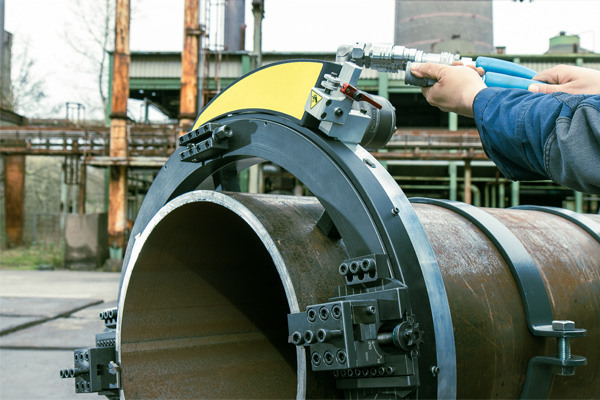
In the realm of industrial machining and metalwork, precision and efficiency are paramount. One of the most innovative techniques in this field is cold cutting, a method that is gaining popularity for its safety, environmental, and operational advantages. Unlike traditional hot cutting processes, cold cutting does not generate heat, which minimizes risks such as material distortion and thermal damage. This article delves into the nuances of cold cutting methods, discussing their benefits, applications, and best practices for maximizing efficiency.
Understanding Cold Cutting Methods
Cold cutting is a technique that involves the separation of materials without the use of heat, flames, or sparks. This method is particularly advantageous in environments where safety is a priority and where traditional cutting might pose a risk.
Key Benefits of Cold Cutting
- Safety: Eliminates the risk of fire hazards associated with hot cutting methods.
- Precision: Offers high precision in cutting, ensuring clean and accurate results.
- Versatility: Suitable for a wide range of materials, including metals and plastics.
- Environmental Considerations: Produces minimal waste and emissions, making it an eco-friendly option.
For more detailed insights into the advantages of cold cutting, discover expert strategies here.
Applications of Cold Cutting
Cold cutting methods are utilized across various industries due to their adaptability and efficiency. Some common applications include:
- Oil and Gas Industry: Used for cutting pipelines and underwater structures where safety and precision are crucial.
- Construction: Effective for demolition projects and structural modification without damaging surrounding areas.
- Manufacturing: Employed for machining components with stringent tolerance requirements.
To explore advanced guides and tips on applying cold cutting techniques across different sectors, explore advanced guides and tips.
Best Practices for Maximizing Efficiency
Selecting the Right Equipment
Choosing appropriate cold cutting equipment is crucial for achieving optimal results. Factors to consider include:
- Material Type: Different machines are designed for specific materials; ensure compatibility.
- Cutting Speed: Adjusting the speed can improve cut quality and extend tool life.
- Machine Maintenance: Regular maintenance is essential to prevent downtime and ensure consistent performance.
For more on equipment selection and maintenance, learn about our tailored solutions.
Implementing Effective Techniques
Using effective cutting techniques can enhance both the speed and quality of the process. Consider the following:
- Proper Alignment: Ensures accuracy and reduces the likelihood of errors.
- Tool Path Optimization: Planning the tool path can minimize waste and enhance efficiency.
- Operator Training: Skilled operators are essential for maximizing the potential of cold cutting technology.
Find out more about this approach by visiting this page.
Conclusion
Maximizing efficiency with cold cutting methods requires a comprehensive understanding of the technology, careful selection of equipment, and implementation of best practices. By integrating these elements, industries can achieve precision and safety in their operations while also adhering to environmental standards. Whether in the oil and gas sector, construction, or manufacturing, cold cutting presents a modern solution to traditional challenges, paving the way for safer and more efficient industrial practices.