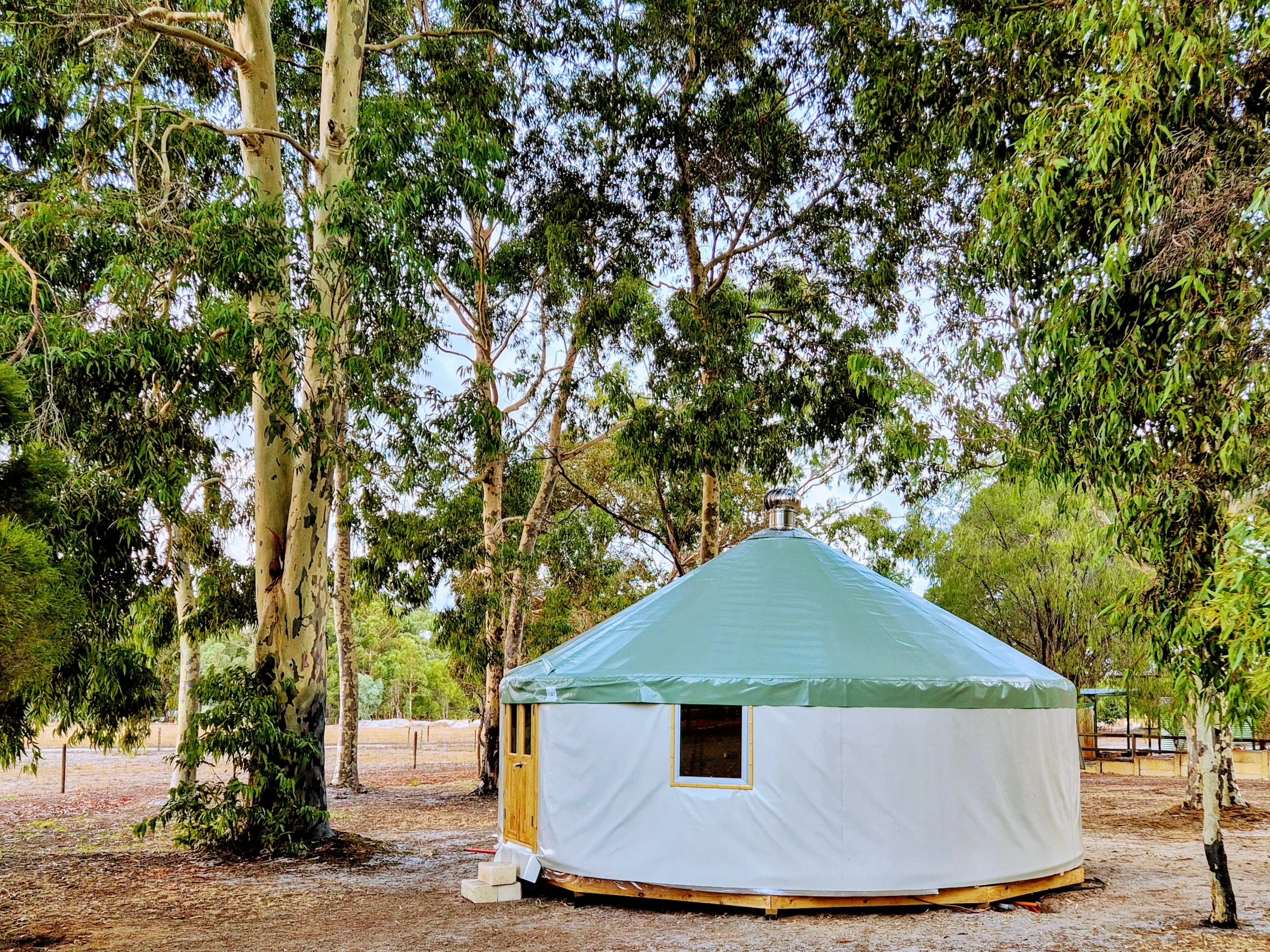
In recent years, portable homes have surged in popularity across Australia. Whether due to their affordability, sustainability, or the flexibility they offer, more Australians are opting for these innovative living solutions. Choosing the right portable home, however, involves careful consideration and understanding of various factors to ensure it meets individual needs and lifestyle preferences. This guide will help navigate the essential aspects to consider when selecting a portable home, ensuring a seamless integration into the Australian landscape.
Understanding Different Types of Portable Homes
Portable homes come in various styles and structures, each offering unique benefits. It is essential to understand the different types to make an informed decision:
- Yurts: Known for their traditional design and eco-friendliness, yurts are an excellent choice for those seeking a unique and sustainable living option. Discover expert strategies here.
- Shipping Container Homes: These homes are robust and durable, often appealing to those who appreciate industrial aesthetics and need a quick setup.
- Tiny Houses: Offering minimalist living, tiny houses are perfect for individuals or couples who prioritize simplicity and functionality.
- Modular Homes: Modular homes are pre-built sections that are transported and assembled on-site, offering a balance between traditional construction and portability.
Key Factors to Consider
When selecting a portable home, several critical factors should be taken into account to ensure the home suits your needs:
1. Location and Environment
Understanding the geographical and environmental conditions of the intended location is crucial. The terrain, climate, and local regulations can significantly impact the choice of a portable home. For instance, yurts are particularly suitable for temperate climates. Learn about our tailored solutions.
2. Budget and Financial Planning
Budgeting is a significant factor when choosing a portable home. Costs can vary widely based on size, materials, and additional features. It is essential to have a clear understanding of your financial situation and explore financing options if necessary.
3. Size and Space Requirements
Determine the size and layout that will best suit your lifestyle and space requirements. Consider the number of occupants and potential future needs to ensure the portable home remains suitable over time.
4. Customization and Design
The ability to customize and design a portable home to personal preferences is a significant benefit. From choosing interior finishes to adding sustainable features, customization can enhance the functionality and aesthetic appeal of the home. Explore advanced guides and tips.
Benefits of Portable Homes
Portable homes not only offer financial advantages but also bring several other benefits:
- Flexibility: Easily relocated and adaptable to various locations, portable homes offer unmatched flexibility.
- Sustainability: Many portable homes are built with sustainable materials and practices, reducing environmental impact.
- Efficiency: With modern insulation and energy-efficient designs, portable homes can significantly cut down on energy costs.
Each type of portable home has its unique advantages, allowing residents to choose one that aligns with their environmental and lifestyle values. Find out more about this approach.
Conclusion
Choosing the right portable home in Australia involves a blend of personal preferences, financial considerations, and environmental factors. By understanding the different types of portable homes and contemplating key factors such as location, budget, and customization needs, Australians can make informed decisions that lead to satisfying and sustainable living experiences. For those ready to embrace this flexible and innovative housing solution, numerous resources are available to guide and support the journey.