In the realm of sports, injuries are an all-too-common occurrence, impacting athletes of all levels. With the rise of competitive sports and intense training regimens, the need for effective injury management strategies has never been more crucial. Osteopathy, a holistic approach to healthcare, plays a pivotal role in not only treating sports injuries but also in preventing them. This article delves into the significance of osteopathy in managing sports injuries, offering insights into how it can aid athletes in their recovery and overall performance.
Understanding Osteopathy
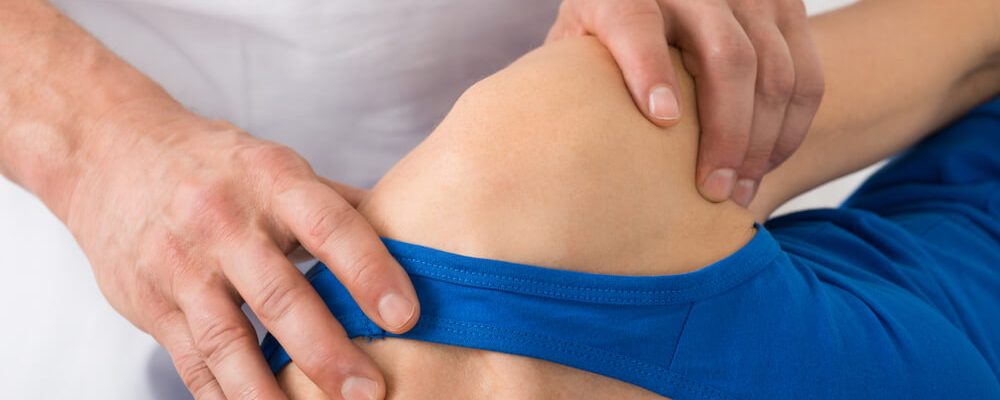
Osteopathy is a form of manual therapy that emphasizes the interrelationship between the structure and function of the body. It involves the use of hands-on techniques to improve circulation, relieve muscle tension, and enhance joint mobility. Unlike conventional approaches, osteopathy focuses on treating the body as a whole, which can be particularly beneficial for athletes who often experience complex injuries.
Principles of Osteopathy
- Body unity: Treats the body as a cohesive unit rather than isolated parts.
- Self-healing: Supports the body’s natural ability to heal itself.
- Structure and function: Emphasizes the relationship between the body’s structure and its function.
These principles guide osteopaths in developing customized treatment plans, which can be vital for athletes seeking personalized injury management solutions. Find out more about this approach.
The Role of Osteopathy in Sports Injury Management
Osteopathy offers several benefits when it comes to managing sports injuries. It provides a non-invasive and drug-free approach, making it an attractive option for athletes wary of the side effects associated with medication. Here are some key roles osteopathy plays in sports injury management:
Injury Prevention
- Regular osteopathic assessments can identify potential issues before they escalate into injuries.
- Enhances body mechanics and posture, reducing the risk of injury.
For athletes, incorporating osteopathy into their routine can be a proactive strategy in maintaining optimal physical health. Explore advanced guides and tips on how to integrate these practices.
Rehabilitation and Recovery
- Facilitates quicker recovery by improving blood flow and reducing inflammation.
- Restores range of motion and strengthens the musculoskeletal system.
Osteopathy’s holistic approach ensures that recovery is comprehensive, addressing not just the symptoms but the underlying causes of an injury. Discover expert strategies here.
Pain Management
- Targets specific areas of pain to provide relief without the use of drugs.
- Employs techniques such as soft tissue manipulation and myofascial release.
Effective pain management is crucial for athletes who wish to return to their sport swiftly and safely. Learn about our tailored solutions for addressing pain in athletes.
Conclusion
Osteopathy’s contribution to sports injury management is invaluable. By focusing on the body’s natural healing processes and addressing the root causes of pain, osteopathy not only aids in recovery but also enhances overall athletic performance. As athletes continue to seek out effective and holistic treatment options, osteopathy remains a trusted approach in the management and prevention of sports injuries. For those interested in exploring how osteopathy can be integrated into their athletic regimen, further information and resources can be found here.