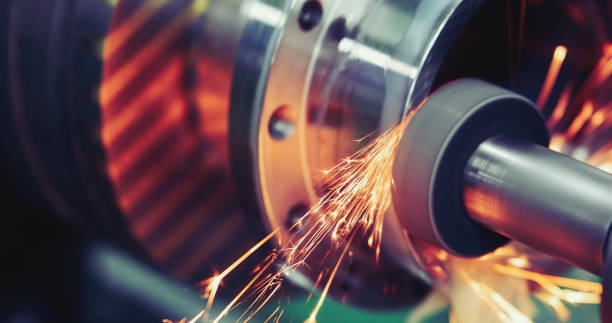
In any workshop, the efficiency and quality of work often hinge on the precision and durability of the tools in use. High-quality metal grinding tools are essential for anyone looking to enhance their metalworking projects. These tools facilitate smoother finishes, high precision, and increased productivity, making them indispensable in both professional and amateur settings. By understanding the types of grinding tools available and their applications, craftsmen can elevate their work, achieving superior results with less effort and time.
Types of Metal Grinding Tools
Selecting the appropriate grinding tools for metal is crucial for optimizing performance and achieving the desired results. The following are common types of metal grinding tools:
- Angle Grinders: Versatile and widely used, these tools are perfect for cutting, grinding, and polishing metal surfaces.
- Belt Grinders: Ideal for finishing and smoothing metal surfaces, providing a uniform finish.
- Bench Grinders: Typically used for sharpening tools and shaping metal. These machines are staple in many workshops.
- Die Grinders: Precision tools used for intricate work on smaller surfaces and hard-to-reach areas.
Benefits of High-Quality Grinding Tools
Investing in high-quality metal grinding tools offers numerous advantages, including:
- Enhanced precision and control over metalwork projects.
- Improved efficiency, reducing the time needed to complete tasks.
- Greater durability, providing long-term value and reliability.
- Reduced risk of accidents due to improved tool stability and performance.
Choosing the Right Grinding Tool for Your Needs
When selecting a metal grinding tool, consider the following factors to ensure it meets your specific needs:
Material Compatibility
Different grinding tools are designed for specific materials. Ensure the tool you choose is compatible with the type of metal you are working with, whether it’s steel, aluminum, or another alloy.
Tool Specifications
Examine the specifications such as power, speed, and size to match the tool’s capabilities with the demands of your project. A grinding wheel with the right specifications can significantly affect the outcome.
Versatility and Functionality
Consider the versatility of the tool. A multi-functional tool can handle various tasks, from cutting to polishing, which can streamline processes and save space in the workshop.
Maintenance and Safety Tips
Proper maintenance is crucial for ensuring the longevity and safety of tools for grinding metal. Here are some tips to keep in mind:
- Regularly inspect tools for wear and tear to prevent accidents.
- Keep tools clean and free from debris to maintain optimal performance.
- Always adhere to safety guidelines, such as wearing protective gear and ensuring a stable work environment.
- Store tools properly to avoid damage and ensure they are ready for use when needed.
Conclusion
High-quality metal grinding tools are a vital investment for any workshop. By understanding the different types available and their specific applications, craftsmen can choose the right tools to enhance their projects’ quality and efficiency. Moreover, proper maintenance and safety practices further reinforce the benefits of these indispensable tools. Investing in reliable grinding tools not only enhances craftsmanship but also ensures a safer and more productive work environment.